AI Face Swap for Privacy: What Works and What Doesn't
A face swap can hide your identity, but only if the new face is synthetic. How privacy-grade swaps differ from novelty apps, and what to check first.
- face-swap
- privacy
- face-anonymization
- ai-tools
An AI face swap can protect your identity, but only one kind of swap does it: a replacement that puts a synthetic face (one that belongs to no real person) onto your own content and keeps that same face across everything you publish. The novelty apps most people picture when they hear "face swap" are built for entertainment, and they fail as privacy tools on the exact points that matter: whose face comes in, whether it stays consistent, what happens to your uploads, and how the result holds up on video. This guide separates the swap tools that protect you from the ones that only decorate you, and walks through what a privacy-grade swap setup looks like in practice.
Three products share the name "face swap"
Search "AI face swap" and the results mix three kinds of software that share a label and little else. Sorting them out first matters, because advice that applies to one category is wrong for the others, sometimes in ways that cost you money or legal standing.
Novelty swap apps. The apps that put your face on a movie character, or a celebrity's face on yours, for a five-second clip. They are optimized for speed and shareability. Quality is good enough for a joke, the price is free or close to it, and the business model runs on ads, upsells, and in some cases on rights to the content you upload.
Deepfake-style swap tools. Software that maps a real, identifiable person's face onto existing footage. This is the category behind non-consensual deepfakes, and it is where most of the legal and platform crackdowns since 2024 have been aimed. Whatever your intent, a tool whose marketing leans on "put anyone's face on anything" is telling you which category it lives in.
Privacy-grade face replacement. Software that detects your face in your own photos and videos and replaces it with a synthetic identity: a face generated by the model that does not exist in the real world. The output keeps your pose, expression, and lighting, and the same synthetic face can be reused across every file you process. This is the only category built for the job this guide is about.
The confusion is understandable, because the underlying mechanics overlap heavily. All three detect a face, generate or map a replacement, and blend the result into the frame. What separates them is not the pipeline. It's what face goes in, and that one choice decides whether the output protects you, embarrasses you, or exposes you to a claim from someone whose likeness you used.
Who reaches for a face swap for privacy
People land on this question from a few different directions, and it helps to name them, because the right tool is the same in every case.
The most common path: a creator sees swap filters all over TikTok and wonders whether the same trick can hide their identity on OnlyFans or a fan platform. The instinct is right. Faces drive subscriptions, tips, and DM revenue, and a face is also the single largest doxxing surface an account has. The instinct just needs pointing at the correct category of tool.
The second path is the faceless creator hitting a promotion ceiling. Cropping your head out of frame works on the paid platform, but promo funnels run on face-on-camera content, and a headless clip fights the recommendation algorithm the whole way. A swapped synthetic face puts a face back in the funnel without putting yours there.
The third path has nothing to do with adult content: streamers separating a channel from a day job, commentary YouTubers who want to appear on camera without becoming recognizable at the grocery store, anyone whose employer, family situation, or visa status makes a public face expensive. The threat models differ, but the tool requirements come out identical.
Face swap vs face anonymization: the distinction that matters
If you keep one thing from this page, keep this: a face swap becomes a privacy tool only when the incoming face is synthetic. The industry name for that version is face anonymization, sometimes face replacement. Here is the side-by-side:
| Novelty face swap | Face anonymization (privacy-grade swap) | |
|---|---|---|
| Where the new face comes from | A real person: celebrity, friend, stock model | Generated by the model; belongs to nobody |
| Consent | The face's owner usually never agreed | Only your own likeness is involved |
| Identity across uploads | Different result per photo or session | One synthetic identity, reused across all content |
| Video | Weak: flicker, dropped frames, real-face flash-through | Frame-consistent on good batch tools |
| Your uploads | Often retained; terms may claim broad rights | Serious tools delete originals and say so |
| Built for | Entertainment and sharing | Publishing content anonymously |
| Monetized content | Risky: someone else's likeness in paid content | Comparable to wearing a mask in your own content |
The right-hand column is the category we cover in depth in our guide to AI face anonymization for content creators: which recorded formats fit, how to test expression and consistency, which source-handling questions to ask, and how to review the final export. This page stays on the swap angle specifically: why a novelty swap and a creator anonymization workflow are different decisions.
Why novelty swap apps fail as privacy tools
It is tempting to grab a free swap app, pick a face, and call the privacy problem solved. Five things go wrong.
1. The incoming face belongs to a real person. Most consumer swap apps swap in a real face: a celebrity template, a stock model, a photo you supply. Publishing that, and especially monetizing it, means using someone's likeness without consent. That collides with impersonation policies on every major platform and with right-of-publicity law in many places. A privacy tool that creates a legal problem is a bad trade.
2. You get a different stranger every session. Novelty apps have no reason to keep the swapped face consistent, so each upload produces a new result. For a one-off meme, fine. For a creator building an audience, it is disqualifying: if your Tuesday photos and your Friday clip show two different people, the account reads as an effect rather than a persona, and the engagement value of showing a face evaporates along with the trust.
3. Your uploads may be the product. Free apps make money somehow, and in this category the terms of service often include broad licenses to uploaded content, retention for model training, or both. Sending your most sensitive photos to a company whose terms you have not read relocates your privacy problem instead of solving it.
4. Video is an afterthought. Privacy failures on video happen at the frame level: tracking drops during a fast head turn, your real face is visible for three frames, and a paused screenshot needs only one. Novelty apps are tuned for short, forgiving, well-lit clips, and their tracking shows it under real conditions.
5. Output limits kill publishability. Watermarks, resolution caps, clip-length limits, and heavy compression are standard in free tiers. Every one of them either marks the content as edited or makes it unusable on a platform where subscribers pay for quality.
A sixth problem applies to every category, including the good one: a swap touches only the face. Metadata, backgrounds, tattoos, and voice travel with the file untouched. More on that further down.
What a privacy-grade face swap requires
Flip each failure and you get the requirements. A swap setup that can protect a working creator needs a synthetic target identity, persistence of that identity across every upload, frame-consistent video, deletion of your originals after processing, and clean full-resolution output. In checklist form, to run against any tool before it touches sensitive content:
Identity
- The replacement face is synthetic, and the provider says so plainly
- You can reuse the same identity across separate uploads and sessions
- Expressions, gaze direction, and mouth movement survive the swap
Data handling
- The provider explicitly states that originals are deleted after processing
- The terms do not grant the provider a broad license to your uploads
- You retain full rights to the processed output
Output
- No watermarks or resolution caps on the tier you would pay for
- Video holds one identity across frames, including fast movement and talking
- Batch processing exists, so a full shoot does not take a full day
A tool that fails the data-handling section is out, whatever the demo reel looks like. The entire point of the exercise is shrinking the set of places your real face exists, and a vague retention policy grows that set instead.
Testing a swap before you trust it
Under the hood, every serious tool runs the same three stages: detect and track the face, synthesize a replacement constrained by pose and lighting, and blend it into the frame so skin tone and edges match. Knowing that tells you where to aim your testing, because each stage has a signature failure: tracking fails on movement, synthesis fails on expressions, blending fails at the jawline and hairline.
Four checks cover it:
- Use an ordinary clip, not your best one. Average lighting and a normal room expose weaknesses that a curated demo hides.
- Talk and turn. Speech tests mouth fidelity. A quick head turn stress-tests tracking. These are the two places real faces flash through.
- Process two shoots on two different days. You are confirming the identity persists across sessions, which novelty tools fail by design.
- Check the output at publishing resolution, after the platform re-encodes it. Preview windows flatter everyone.
Any tool worth paying for offers a free tier or trial, and this test is what the trial is for.
A worked example: swapping to a synthetic face
NeoFace is our tool, and it sits in the privacy-grade category, so read this section as a worked example of the workflow rather than a neutral review. The point of the example is how little the process asks of you.
You shoot the way you normally would. No special framing, no holding still, no avoiding speech:

The batch goes through processing. The model detects the face in each file and swaps in your chosen synthetic identity, matched to your pose, expression, and lighting, and every file in the batch comes back showing the same person:
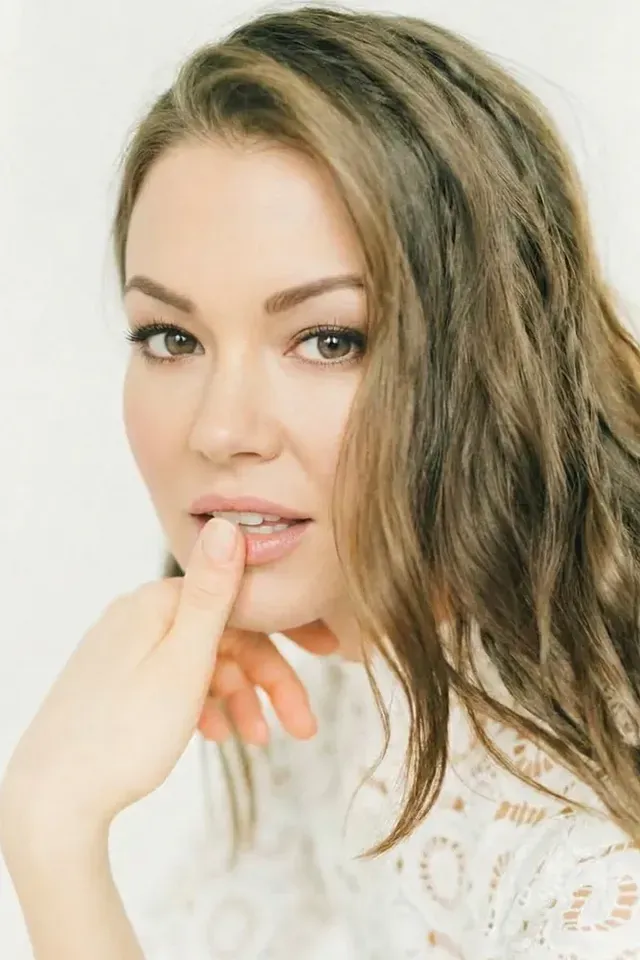
Uploads are deleted after processing, and the same synthetic identity is waiting for the next batch, next week and next year. You can run a file through the interactive demo to see the flow before deciding anything.
Whichever tool you land on, ours or a competitor's, hold it to the checklist above with your own test clip. The creator space has real alternatives, Pseudoface being the best known, and the evaluation criteria do not change by vendor.
Live streams and real-time swaps
Everything above assumes recorded content: shoot, process, post. Real-time swap filters exist too, and they are improving, but the trade-off has not gone away. A batch tool gets to look at the whole clip and smooth a rough frame using its neighbors. A live filter gets one frame at a time and no second chances, which makes flicker and flash-through more likely at exactly the moment you cannot edit them out.
If your content is photos and recorded video, which covers most creator workflows, batch processing is the better default and there is no reason to accept live-filter risk. If you stream, treat the stream as your highest-exposure surface: test the filter under your real lighting with fast movement before going live, keep sessions short while you build confidence in it, and remember that a single screenshotted frame is permanent. Some streamers split the difference by keeping live content faceless and using swapped recorded clips for everything promotional.
The legal and platform picture, as of July 2026
None of this is legal advice, but the outlines are consistent enough to plan around.
Your own likeness in your own content is broadly fine. Editing your face in your own photos and videos sits in the same legal neighborhood as makeup, filters, or a physical mask. A synthetic incoming face adds no injured party, because the face never belonged to anyone.
A real person's face without consent is where problems start. Impersonation and right-of-publicity claims exist across many jurisdictions, and since 2024 a growing number of countries and US states have passed synthetic-media laws aimed at non-consensual use of real likenesses. Monetizing content multiplies the exposure. If a swap workflow ever involves a real face besides your own, stop and check consent and local law before anything gets published.
Platform rules point the same direction. As of mid-2026, OnlyFans does not prohibit editing your own appearance in your own content, and faceless creators use AI face tools there openly. What platform terms consistently prohibit is impersonating a real person or publishing someone's likeness without consent. Mainstream platforms such as Instagram and TikTok have been expanding AI-content labeling rules, and the details keep moving, so re-check the current terms of every platform you publish on rather than relying on any guide, this one included.
A swap covers your face, not your identity
Assume the swap works perfectly: one synthetic face on everything, no flicker, originals deleted. Everything else in your content still belongs to your real identity.
File metadata can carry location and device details. Backgrounds hold mail, diplomas, window views, and reflections in mirrors and glasses. Tattoos and birthmarks are searchable identifiers on their own. Your voice is biometric, and people who know you recognize it in seconds. Your promo accounts can bridge to your personal ones through contact syncing and follower overlap. Doxxing rarely needs a face; our breakdown of how creators get doxxed shows how many exposure paths route around it entirely.
So place the swap inside a fuller setup. The 25-step anonymity checklist covers the account, device, and metadata side of the job, and once you are live, the ongoing anonymity playbook covers keeping it all true while the account grows.
Common mistakes with face swaps for privacy
- A different face per upload. The novelty-app habit. It breaks persona continuity and quietly advertises that the face is fake. One synthetic identity, everywhere, indefinitely.
- Swapping the feed but not the extras. Stories, customs, DM samples, and profile photos skip the pipeline more often than feed posts do, and the unprocessed file is the one that surfaces later. Screenshots outlive deletions.
- Choosing a tool from its demo reel. Sample clips are curated. The retention section of the terms of service tells you more about a swap tool's fitness for privacy than its marketing page ever will.
- Using a celebrity face "as a joke" on a monetized account. The joke lands differently with the platform's trust and safety team, and differently again with the celebrity's lawyers.
- Calling the job done at the face. Run the rest of the anonymity stack, or the swap protects a face that nobody needed in order to find you.
Final word
"Face swap" describes three products, and only one of them is a privacy tool. If the incoming face is a real person's, you are in novelty or deepfake territory, and both fail creators on legality, consistency, and data handling. If the incoming face is synthetic, persistent, and applied to your own content by a tool that deletes your originals, you have face anonymization, whatever the marketing calls it.
If you are still weighing a swap against the other face-hiding methods, blur, crop, and physical masks included, our guide to the best AI mask for OnlyFans creators compares them all on engagement and privacy strength. And whichever tool you evaluate, the test does not change: an ordinary clip, talking and turning, two separate sessions, and a terms page you have read to the end.
Frequently asked questions
- Can a face swap app make me anonymous?
- Most consumer face swap apps cannot. They are built for entertainment: many swap in a real person's face, generate a different result on every use, struggle with video, and say little about what happens to your uploads. A swap protects your identity only when the replacement face is synthetic, stays consistent across your content, and the provider deletes your originals after processing. Those are the features of privacy-grade face replacement tools, not novelty apps.
- What is the difference between a face swap and face anonymization?
- A face swap moves a face from one place to another, and in consumer apps the incoming face usually belongs to a real person, like a celebrity or a friend. Face anonymization replaces your face with a synthetic identity that does not exist in the real world, applied to your own content. The mechanics overlap, but the source of the new face changes everything: consent, legality, platform standing, and whether the result protects you at all.
- Is it legal to use an AI face swap for privacy?
- Altering your own likeness in your own content is generally legal, in the same category as wearing a mask or heavy makeup. The legal problems start when the swapped-in face belongs to a real person used without consent, which can raise impersonation and right-of-publicity claims, and a growing set of deepfake laws passed since 2024 target exactly that. Rules vary by country and state, so check what applies where you live before building a workflow.
- Do face swap apps keep my photos?
- Many free apps do, and some grant themselves broad licenses to uploaded content through their terms of service. That is a poor trade for a privacy tool, since the whole point is reducing the number of places your real face exists. Before uploading anything sensitive, read the retention section of the terms and look for an explicit statement that originals are deleted after processing. If you cannot find one, assume they are kept.
- Does face swapping work on video?
- It can, but video is where cheap tools fail. Every frame has to show the same face with no flicker, and tracking has to hold through fast head movement, or your real face flashes through for a frame that anyone can screenshot. Batch tools that process recorded clips produce more consistent results than real-time filters. Always test with a clip that includes talking and quick movement before trusting a tool with real content.
- Can a swapped face be traced back to my real face?
- Not from the output file, if the swap is done properly: the original pixels are replaced rather than covered, so there is nothing underneath to recover. The realistic risks sit elsewhere. The provider might retain your uploaded originals, and everything else in the frame stays yours: tattoos, backgrounds, voice, and file metadata all identify people without a face. Treat the swap as one layer of a larger anonymity setup rather than the whole thing.
Create with
a face you choose.
Join thousands of creators building faceless brands with Neoface. Private by default, lifelike by design.
No credit card required · Instant access · Free plan available
- High-fidelity models
- Private and secure
- 24/7 support